Static, Chimes, and Whirring: A Field Guide to the Sounds the Internet Killed
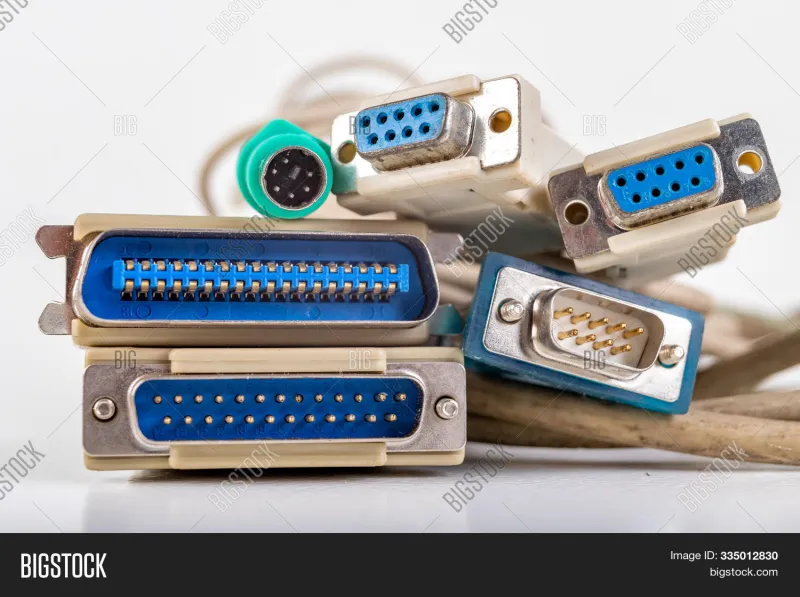
Photo: vintage modem computer cables 1990s close up nostalgic, via static1.bigstockphoto.com
Close your eyes and play the tape. That 56k modem handshake — the warble, the static, the little ascending scream of two machines negotiating permission to talk to each other. If you're over thirty-five, you can hear it right now, unprompted, in your own head. If you're younger, it sounds like a fax machine having a crisis.
Either way, you're hearing a ghost. The internet used to have a soundtrack, and over the last two decades we deleted it, one sound at a time. It's worth asking why — because the deletions weren't accidental.
1. The Dial-Up Handshake
The most iconic sound of the early consumer web was, functionally, a connection being established through effort. It took about thirty seconds. You couldn't do anything else on the phone line while it happened. Everyone in the house knew you were going online.
That screech was friction, and the friction was the feature. Going online was an event with a beginning. You arrived. The modern web has no arrival — you're just always there, ambient, unannounced. We didn't lose the sound because the technology improved. We lost it because the always-on internet had no use for a doorbell.
2. The Away-Message Chime
AIM's little notification sounds did something strange and wonderful: they marked absence. The away message was a status you set on purpose, a tiny piece of theater — lyrics, inside jokes, passive aggression aimed at a specific person in your geometry class. The chime that announced a buddy signing on meant someone had just shown up.
Today's equivalent is the read receipt, and the emotional valence flipped completely. Where the away message celebrated being unavailable, the read receipt punishes it. Presence became an obligation instead of an event.
3. The CD-ROM Whir
The spinning disc was the sound of media having mass. Software arrived in boxes. Games took minutes to install, and the drive's mechanical whirring was the sound of anticipation — you were loading something, and loading took time, and the waiting was part of it.
Streaming killed that sound by killing the concept. Nothing loads anymore; everything is just there, instantly, in infinite quantity. Convenient, yes. But the whir was also a natural brake, a moment where your brain got to decide whether you actually wanted this. The modern interface removed the pause between wanting and having, and nobody asked whether we should keep it.
4. The Dial Tone and the Busy Signal
Not strictly internet, but adjacent: the busy signal was the sound of scarcity. One line, one conversation. You tried again later, and somehow the world didn't end. Its extinction — call waiting, voicemail, always-reachable — is the origin story of the notification economy. Once communication became unlimited, attention became the scarce resource, and everything since has been a fight over it.
5. The Startup Chime
Boot sounds — the Mac chime, the Windows startup melody — marked the beginning of a computing session. Turning on the machine was a threshold. Now the phone in your pocket never boots; it just wakes, already mid-session, already mid-life. There's no opening bell because the market never closes.
What the Silence Means
Notice the pattern: every deleted sound marked a boundary. A start, an end, a wait, an absence. Interfaces that make boundaries audible make attention manageable — you can feel when something begins and ends. Interfaces that erase boundaries make attention extractable, because there's no natural moment to stop.
The quiet internet isn't more peaceful. It's just boundaryless, and someone else decides when you're done. If you miss the old sounds, what you probably miss is the edges they stood for. Some of us are trying to build the edges back. More on that soon.