Paying to Be Seen: The Quiet Economics of Wanting Someone Who Never Loads
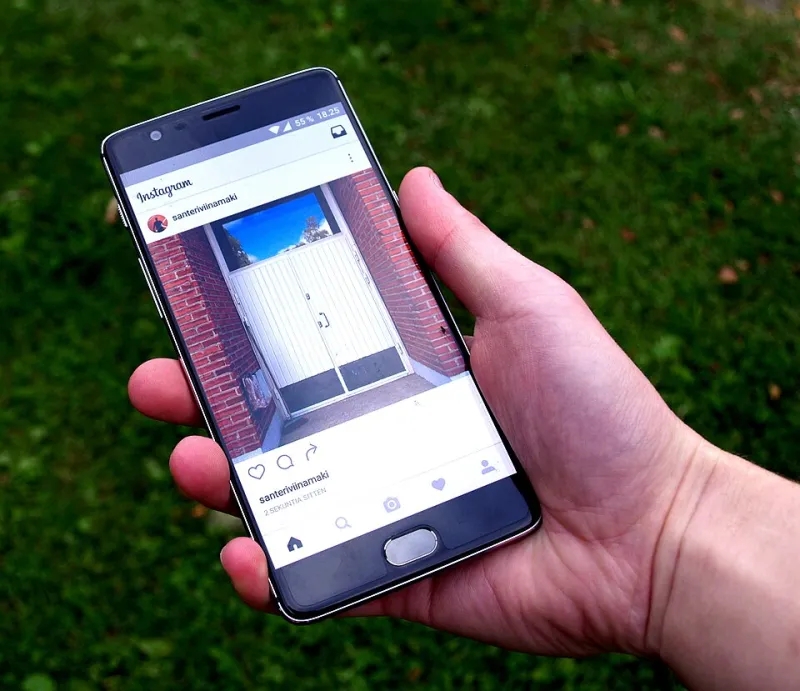
Photo: Santeri Viinamäki (both photo and screenshot), CC BY-SA 4.0, via Wikimedia Commons
Here's a question worth sitting with: what happens to a dating app's revenue the moment you actually meet someone?
It drops to zero. Immediately, permanently, and — from the company's perspective — ideally. The user who pairs off is a churned customer. The user who keeps swiping, keeps boosting, keeps paying for the faint possibility of being seen, is the business model. Once you frame it that way, a lot of app behavior starts making a different kind of sense.
The Machine Under the Match
Strip away the branding and most major US dating platforms run on the same skeleton. A deck of profiles, a swipe mechanic borrowed — quite literally, in the industry's own acknowledgments — from slot machine psychology, and a monetization layer stacked on top of your own uncertainty.
The swipe is the lever. The match is the near-win. And the near-win is the whole trick: behavioral research on gambling has shown for decades that intermittent, unpredictable rewards produce more persistent behavior than reliable ones. Apps don't need you to fall in love. They need you to keep pulling.
Selling Visibility Back to You
The most profitable design choice of the last decade was quietly decoupling visibility from merit. Once, your profile reached whoever the algorithm served it to. Then came the boost — a paid meter, a purchasable spotlight, a 'get seen by more people' button that reframes basic discoverability as a premium feature.
Think about what that implies. The default state of your profile is now insufficient visibility, and the fix is a microtransaction. Some platforms have layered further tiers on top: seeing who liked you behind a paywall, sending priority messages, extra super-likes. Each one monetizes a moment of hope.
The Withholding Question
Then there's the murkier territory — the allegations that surface repeatedly in lawsuits and investigative reporting: that apps have throttled certain users' visibility, shown less desirable profiles to keep free users engaged, or suppressed matches in ways that extend the average user's tenure. Companies deny the harshest versions of these claims. But the structural incentive is not in dispute. An app optimized for retention, not relationships, has every reason to keep the pool just warm enough and never quite satisfying.
Users describe the experience in eerily consistent terms: matches that never message, conversations that evaporate, a sense of being shown people just incompatible enough to keep you searching. Whether any of that is engineered or merely emergent is almost beside the point. The system is tuned, at minimum, to not solve your problem quickly.
Longing as a Line Item
Look at the financial filings and the picture sharpens. The largest dating companies report hundreds of millions in revenue, overwhelmingly from subscriptions and in-app purchases. The customer relationship that matters isn't the couple — it's the singleton with a card on file.
None of this means everyone at these companies is a cartoon villain. It means the incentives are misaligned with the stated mission, and design follows incentives the way water follows gravity.
Swiping With Your Eyes Open
What can a single user actually do? Treat the apps as one channel among several rather than the whole search. Notice the moment a purchase is selling you visibility rather than compatibility. Take breaks deliberately — the apps are designed to make that feel like losing, and it isn't.
And hold the industry to the standard it advertises. If a platform's success depended on your departure, you'd expect it to say so. Watch for the ones that start measuring success in relationships ended, not time-on-app accrued. Until then, understand what you're feeding: a machine that profits from the pause between you and the person you're looking for.